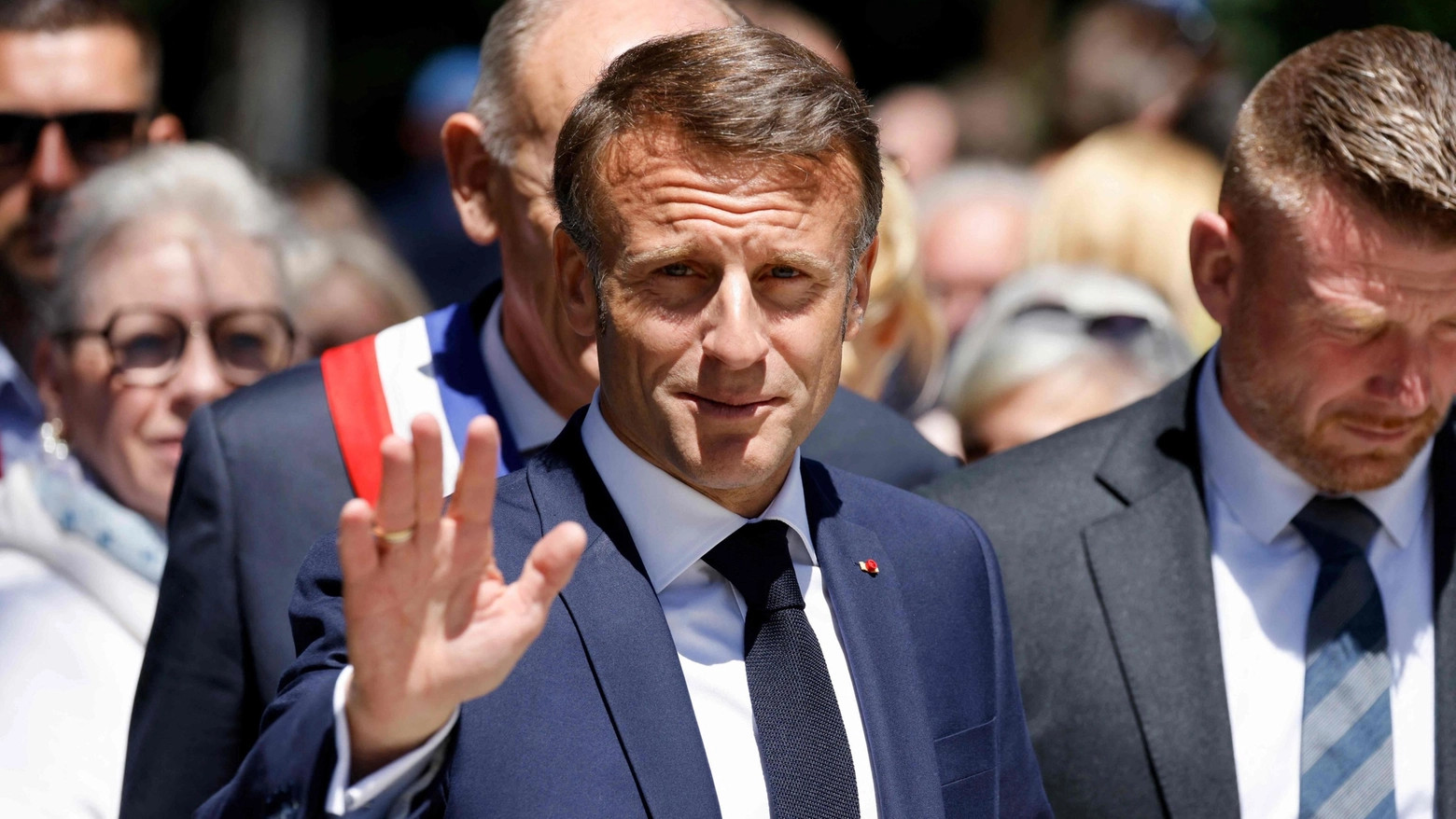
French lawmakers will hold a no-confidence vote that could bring down the minority government led by Prime Minister Michel Barnier. This government has struggled to pass a 2025 budget bill aimed at reducing France’s large deficit. If it falls, Barnier will have to resign, leaving President Emmanuel Macron with the difficult task of appointing a new prime minister. However, no single party currently holds a majority in the heavily divided National Assembly, and similar challenges were faced when trying to form the government just three months ago.
Once the government collapses, the future of fiscal policy becomes uncertain. Without a clear majority, there is a risk that the country will enter a caretaker phase that could stretch on for months. New elections cannot be held until the following year and another possibility—though remote—is that the president’s resignation could trigger presidential elections within 35 days. Such a scenario would leave the budget bill in limbo, making it unlikely that any last-minute deals would emerge to finalize it.
Without a new, approved budget, the caretaker government would likely resort to a special legal measure that would effectively keep current tax collection processes going, roll over this year’s accounts into 2024 without the planned spending cuts or tax increases, and avoid a default. However, it would also mean that structural fiscal reforms remain on hold. Analysts warn that this environment could worsen existing economic strains: borrowing costs for France are climbing, and negative sentiment is hitting the euro as weak manufacturing data from the broader euro area and political volatility in neighboring countries add to the uncertainty.
Higher borrowing costs for France could make its growing fiscal deficit more expensive to finance, further weakening investor confidence. Some observers note that France risks not meeting its interest payment obligations without a proper budget due to legal and procedural deadlock, not because it lacks the economic fundamentals. There is concern that global investors, who prefer predictable and stable returns, might move away from French government bonds toward more reliable alternatives, potentially pushing France’s debt in a less sustainable direction.
Before these political tensions, economists had already reduced their growth forecasts for France, partly because of plans for significant tax hikes and spending cuts in the now-stalled budget proposal. Without passing the new budget, the country will fail to cut its deficit from 6% of GDP to a targeted 5% in 2025. This would mean France would continue to fall short of meeting newer, stricter fiscal rules expected of the European Union. Stubbornly high deficits and rising debt levels reduce the fiscal room to maneuver if growth slows further.
A sustained caretaker period with no new budget is also likely to dampen consumer and business confidence. Consumers may become more cautious, increasing their savings rate and weakening the rebound in spending on which the government had been counting for future tax revenues. Over time, relying too heavily on domestic savings to fund government operations can strain economic growth prospects.
Despite the political unrest in France, comparisons with other European countries offer mixed comfort. In some ways, France still faces a less daunting challenge than economies contending with major structural shifts, such as adapting to new energy realities or shifting away from long-established industries. However, none of this is reassuring enough for investors who seek stability. Without urgent political solutions that restore fiscal sustainability and pass a credible budget, France may see its economic challenges deepen, with weaker growth and rising debt burdens casting a long shadow over the country’s future.